Funerals Don’t Have to Be Religious
For some, a traditional religious funeral, held at a chapel and overseen by a minister, is a comforting and familiar tradition. But not everyone is religious, and such a gathering might be irrelevant or even uncomfortable to attend as someone living outside any particular faith.
Prayers and hymns are part of mourning for many people. But they’re not the only way to say goodbye.
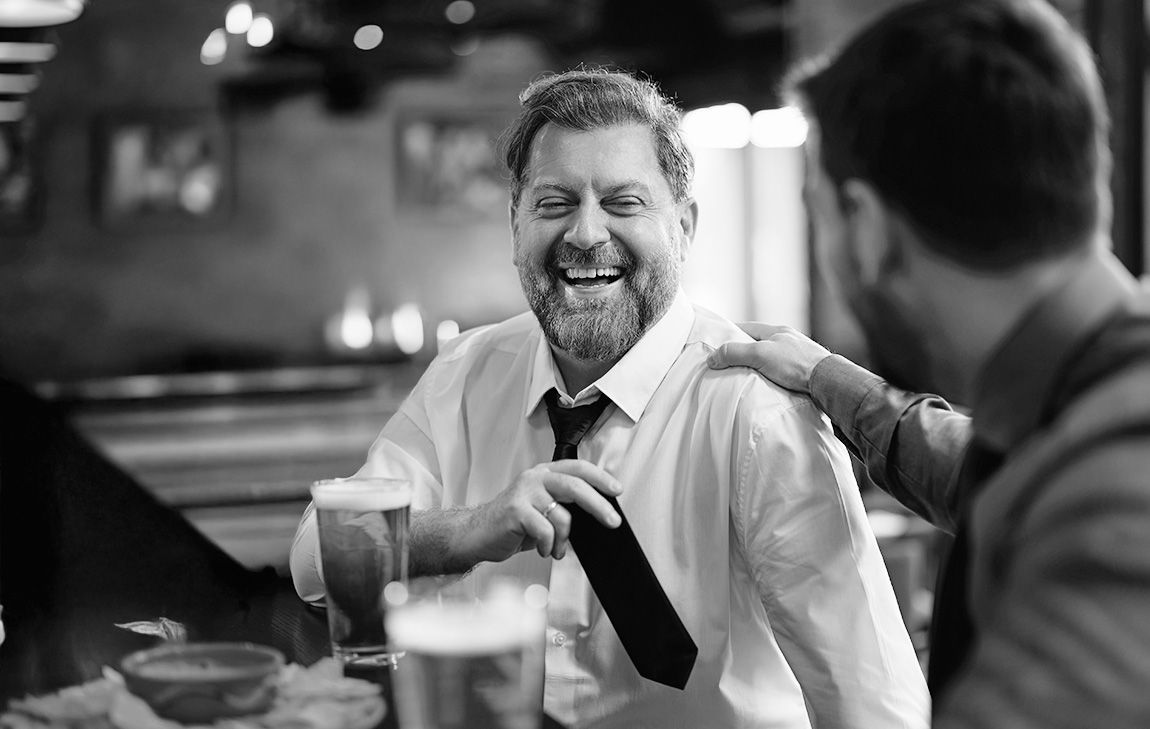
Secular funerals allow non-religious people to confront loss in a healthy, supported way. These gatherings can be as formal or informal as you wish, held at a funeral home or a favorite pub, and focus on
celebrating a life and sharing memories rather than prayers and sermons if that’s what will bring your heart some peace. All that matters is creating a space to gather, remember, and begin healing.
Funeral Traditions Fulfill a Human Need
Long before modern religions developed, our caveman ancestors burned or buried their dead with care and ritual. Archeologists have found Paleolithic burial sites showing people laid to rest with flowers, jewelry, or tools, meaning that funeral traditions are one of the oldest aspects of our humanity.
Across cultures and throughout history, funeral customs share many similarities. Regardless of religious trappings or individual faiths, memorializing the dead has always been anchored by common traditions: a communal gathering, sharing of memories or storytelling, significant symbols, and a shared meal. That’s not coincidence. That’s human nature.
Long before religious leaders or psychologists taught us
how to grieve, our ancestors worked out the steps—and working as funeral directors, we’ve seen first-hand the difference it makes to gather in grief to confront a loss and come together for mutual support.
Creating Your Own Traditions and Rituals
Secular funerals can follow the same script as other traditional funerals, just without any parts that make you uncomfortable. Or they can be wholly unique celebrations of life crafted to honor your loved one. Some examples of non-religious funeral rituals include:
- Personal eulogies and shared memories
- Favorite songs and meaningful readings from a beloved book or poem
- A memory table, photo display, or slideshow
- A candle-lighting or symbolic moment of reflection
- An activity related to their life, passions, or hobbies
The funeral can be held with the body present, or not. It can occur before cremation or held after. A memorial service can even be held if your loved one’s body was donated to science.
The service can take place at the funeral home, community space, or even a family member’s living room. The event can be guided by a family member or led by a certified funeral celebrant . What matters most is that it reflects the life that was lived and provides a moment to say goodbye.
You’re Not Alone in Your Grief
If you have an existing cultural or religious tradition to follow, you don’t have to think about what to do when a loved one dies. But if you live outside of those cultural scripts, planning a meaningful memorial might feel overwhelming. When you’re already processing a loss, the added pressure of event-planning can be exhausting. But you don’t have to plan a memorial service all on your own.
At Horan & McConaty, we serve families from all walks of life across the Denver area—from deeply religious communities to secular humanists, atheists, agnostics, and anyone who simply doesn’t identify with a faith tradition. Our role is not to tell you the “right” way to do things. Our role is to listen, help you understand your options, and work together to design a service that feels honest, authentic, and helps you on the path to healing.
Call us at
(303) 757-4418 to get started.